 ®
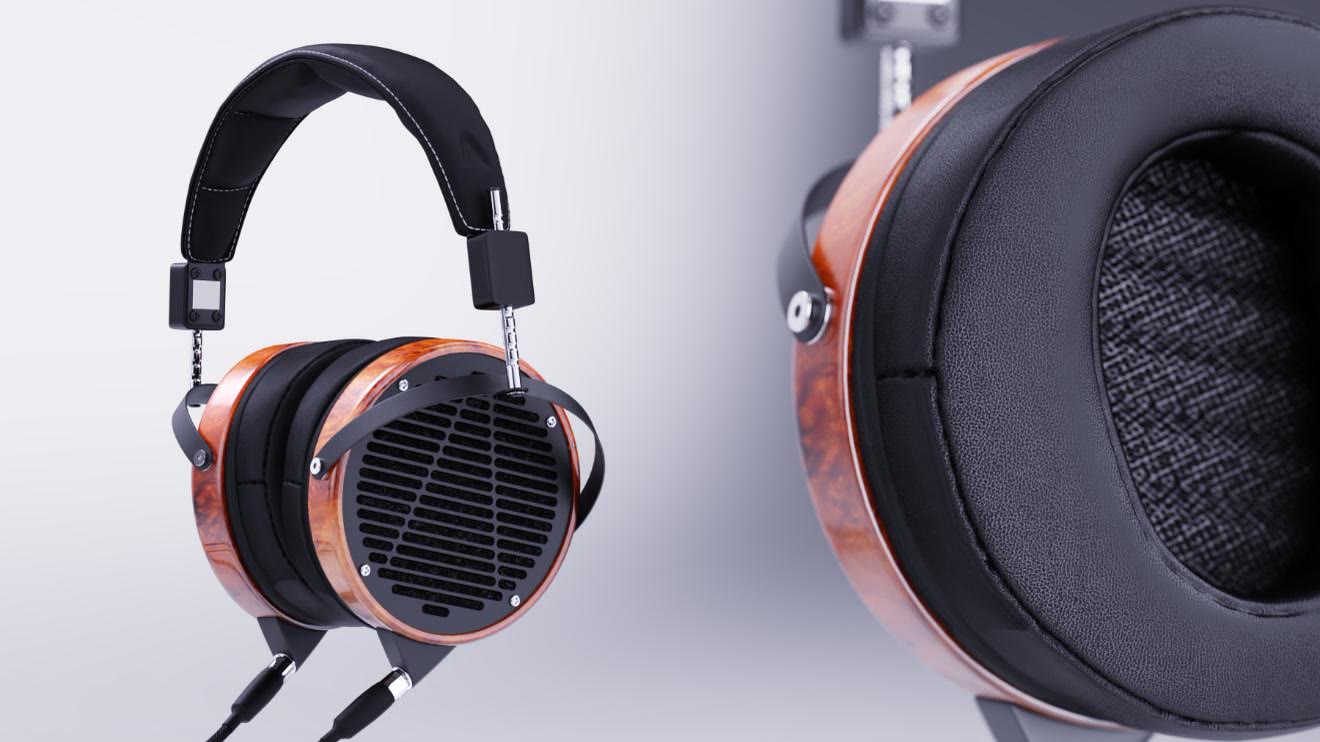
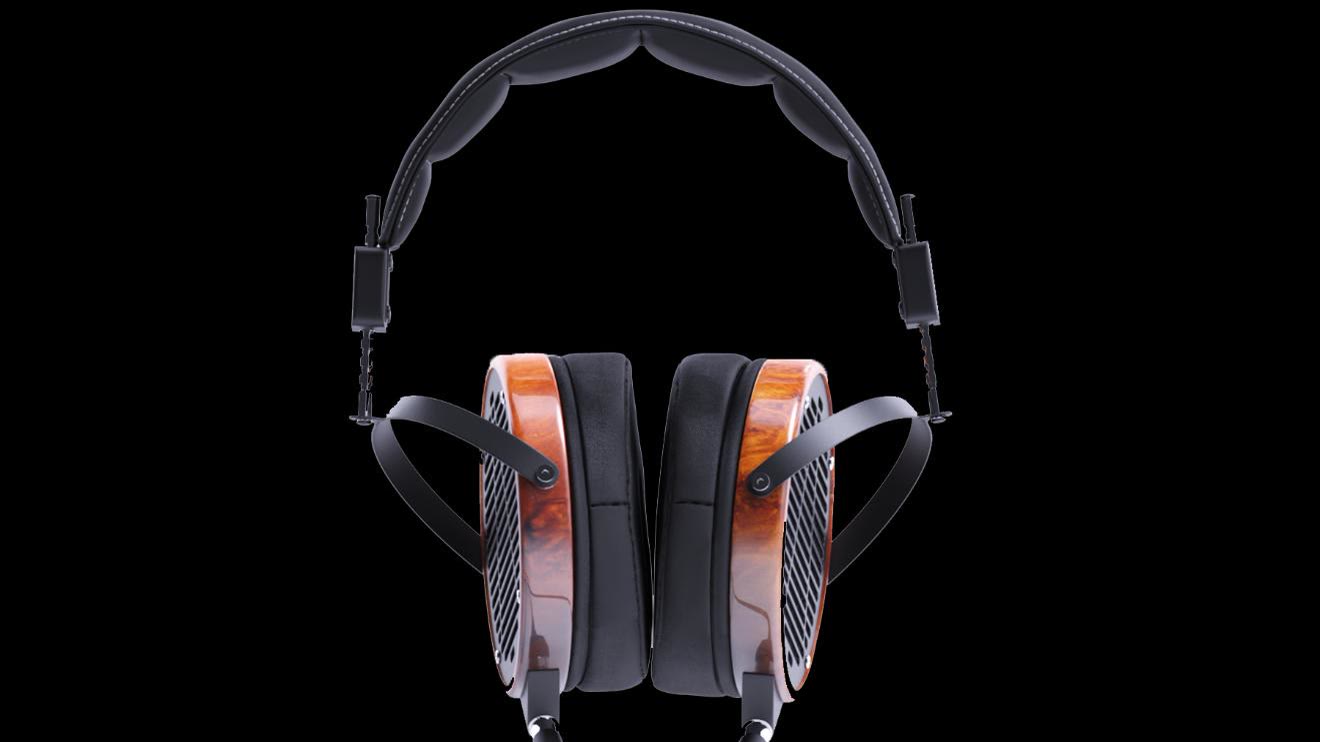
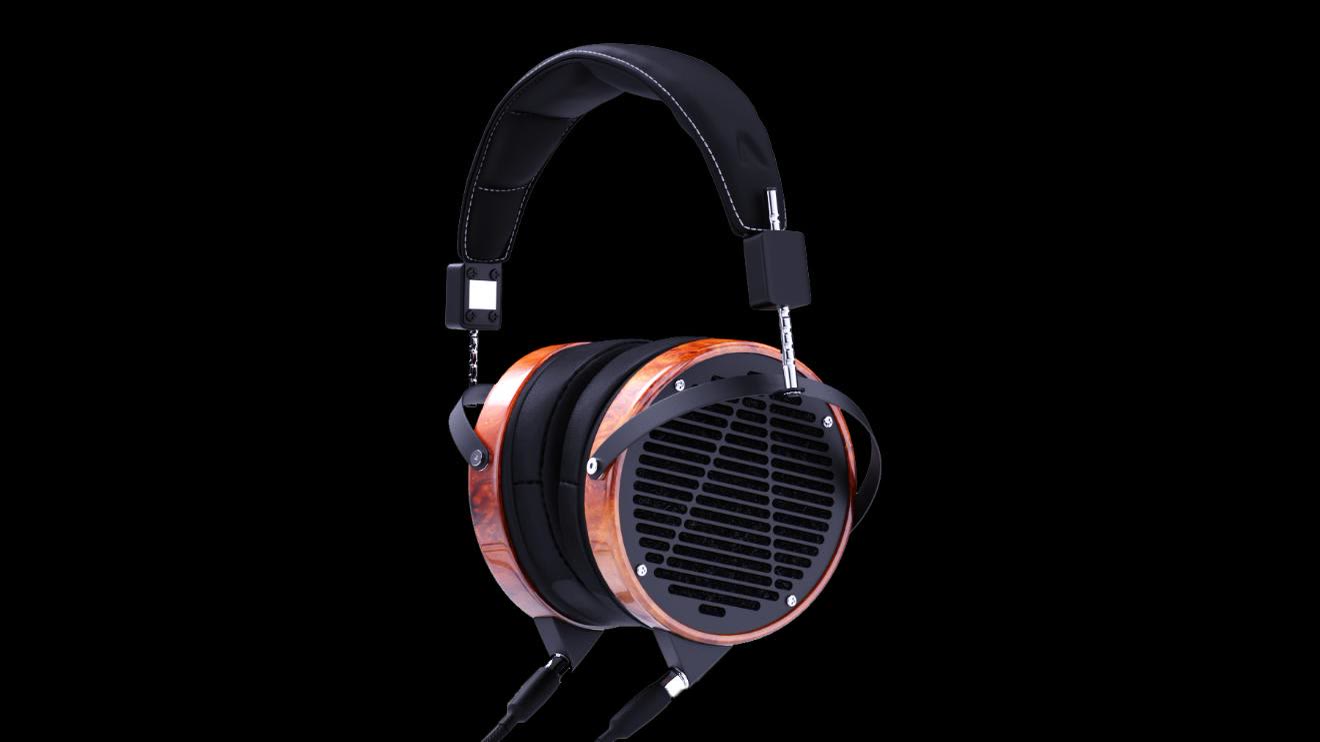
®Open-back planar headphones in figured wood and machined alloy — a materials exercise as much as a product render.
Audio hardware sells on materials. This build put four of the hardest ones in a single object — figured wood, machined alloy, a perforated grille over mesh, and braided fabric cable — and resolved each at the focal length a product page uses.
The brief
Produce product imagery for a pair of open-back planar headphones, showing the cup construction, the grille and the cable, at a quality that holds up when a buyer zooms in.
Why it was hard
The grille is the problem. An open-back cup is a perforated shell over a mesh baffle over an open void, and modelling every hole is expensive while faking it with a texture falls apart the moment the camera gets close or the angle goes oblique. Figured wood is the other trap: grain that repeats or fails to follow the turned form reads as wallpaper rather than timber.
Decide what is real geometry
The perforation was built where the camera would see through it and mapped where it would not, so the render cost went into the part of the frame a viewer actually inspects.
Let the wood follow the form
Grain was laid along the turned axis of the cup so figure moves with the shape, with the two cups varied rather than mirrored — matched pairs in real timber are never identical.
Separate the metals
Machined alloy, anodised trim and the fasteners were each given their own anisotropy and wear, because a single "metal" material is what makes hardware look moulded.
Technical notes
- Perforated grille as geometry where the camera sees through, mapped elsewhere
- Mesh baffle visible behind the grille at oblique angles, as on the real cup
- Wood grain oriented to the turned axis; cups varied rather than mirrored
- Distinct anisotropy for machined, anodised and fastener metals
- Braided cable with real weave direction and its own soft specular
What shipped
- Three final frames covering hero, cup detail and cable
- Master scene reusable for colourway variants
- Close-crop frames for feature callouts
- Layered source files with per-material control
Once the materials are solved, a colourway is an afternoon — which is the argument for building audio hardware in 3D rather than booking the shoot twice.
Next case study →Five cartons, then the same pack in motion